


Resting meat after cooking is like giving it a well-deserved spa day. I mean, who wants to cut into a juicy steak only to watch all those flavorful juices run off like it’s a marathon? Not me. Trust me, letting it chill for five to twenty minutes can make a world of difference. So, how do we pull off this meat miracle? Stick around, and I’ll share my secrets to perfect resting—because nobody wants dry meat on their plate.
The Importance of Resting Meat After Cooking
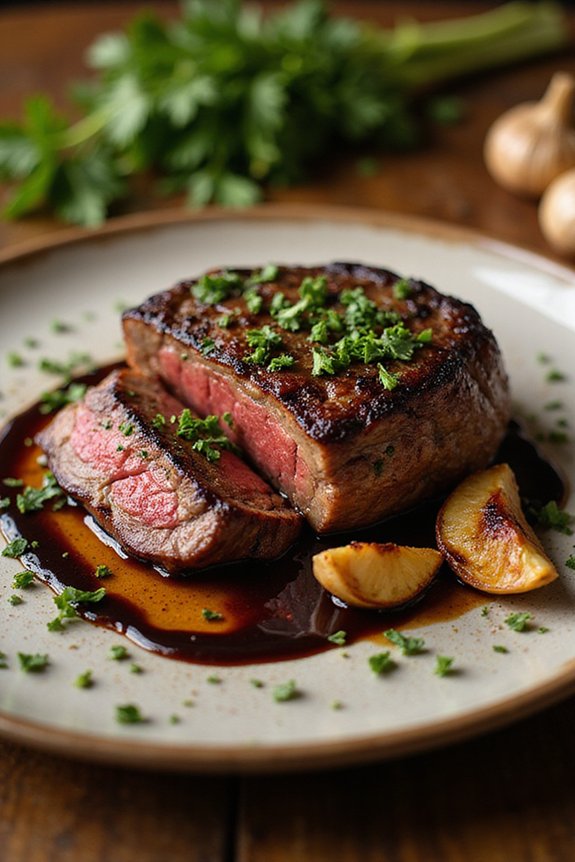
When I first started cooking meat, I thought I could just slice right into it after it came off the heat, but boy, was I wrong. Imagine this: I’d just pulled a beautiful steak off the grill, juices glistening like it was calling my name. I took a knife and went to town, only to discover that I’d released a fountain of juice all over my plate. What a mess. If only I’d known about resting techniques back then.
Resting meat is essential, folks. After cooking, meat needs a breather—just like we do after a long day. This isn’t just a fancy term; it’s a game-changer. When meat cooks, the heat causes the juices to move toward the center. If you cut it too soon, those juices will escape, leaving you with dry meat. And nobody wants that. We’re all about moisture retention here.
So, let’s talk resting techniques. The most common one is simple: just let it sit. I usually place my cooked meat on a cutting board and cover it loosely with foil. This keeps it warm while allowing it to rest for about five to ten minutes, depending on the size. For larger cuts, like a roast, I’ll let it rest for up to 20 minutes. It sounds easy, but trust me, the payoff is huge.
Here’s a pro tip: during this resting period, your meat continues to cook a bit, known as carryover cooking. This means you could be aiming for medium-rare and end up with medium. But hey, if your guests are coming over, who cares if it’s a little more done? I’ve been there—better safe than sorry, right? Also, a premium food processor kitchen can make meal prep easier, allowing you to focus on perfecting your cooking techniques without the hassle.
FAQs
How Long Should Different Meats Rest After Cooking?
Alright, so here’s the scoop: beef resting needs about 10-15 minutes, while poultry resting is around 5-10 minutes.
Pork? Give it 10-15 minutes too.
Lamb likes to chill for about 10 minutes, and fish should only rest for about 3-5 minutes.
Honestly, I’ve burnt my tongue rushing in before.
Trust me, letting it rest feels like a warm hug for your taste buds, and it’s worth every second.
Can I Rest Meat in a Warm Oven?
Yes, you can rest meat in a warm oven. I’ve tried this resting technique and found it works like a charm.
Just keep your oven temperature low—around 150°F is perfect. This way, the meat stays warm and juicy without cooking more. I mean, who wants overcooked steak, right? It’s like serving a dry sponge.
What Happens if I Don’t Rest Meat?
If I don’t rest meat, it turns into a juicy disaster.
Seriously, when I cut into it too soon, all the meat juiciness escapes like it’s trying to flee the scene. Those cooking techniques I learned? They go right out the window.
Instead of tender bites, I get a dry, sad slab. So, I’ve learned to wait. Patience is key, and trust me, my taste buds thank me every time.
Should I Cover Resting Meat With Foil?
Yeah, I usually cover my resting meat with foil, but not too tightly. It keeps the heat in, enhancing those resting benefits—juicy goodness, right?
Just don’t create a sauna; I once ended up with soggy steak because I wrapped it like a burrito. A light cover works best, letting steam escape while keeping warmth.
Trust me, your taste buds will thank you when you finally dig in. Who doesn’t love a perfectly rested piece of meat?
Does Resting Meat Affect Its Flavor?
Absolutely, resting meat boosts its flavor retention and enhances juiciness.
When I let my steak chill for a bit, those juices redistribute, making every bite burst with flavor. Trust me, I’ve rushed this step before, and the result? A dry, sad piece of meat. Not pretty.
So, give it a break! It’s like letting a good wine breathe—worth the wait for a tasty reward.
Seriously, your taste buds will thank you later.
Final Thoughts
So, there you have it—resting meat isn’t just a fancy chef trick; it’s a game changer. Trust me, letting that juicy masterpiece chill for a bit means you get to savor every tender bite instead of diving into a dry, sad hunk of protein. Next time you whip up a steak, remember: patience is a virtue. Your taste buds will thank you, and you won’t have to apologize to your dinner guests for serving them shoe leather.

