

This post may contain affiliate links. Please read our disclosure policy.
If orange chicken is the sweet crowd-pleaser, Kung Pao chicken is the one with attitude.
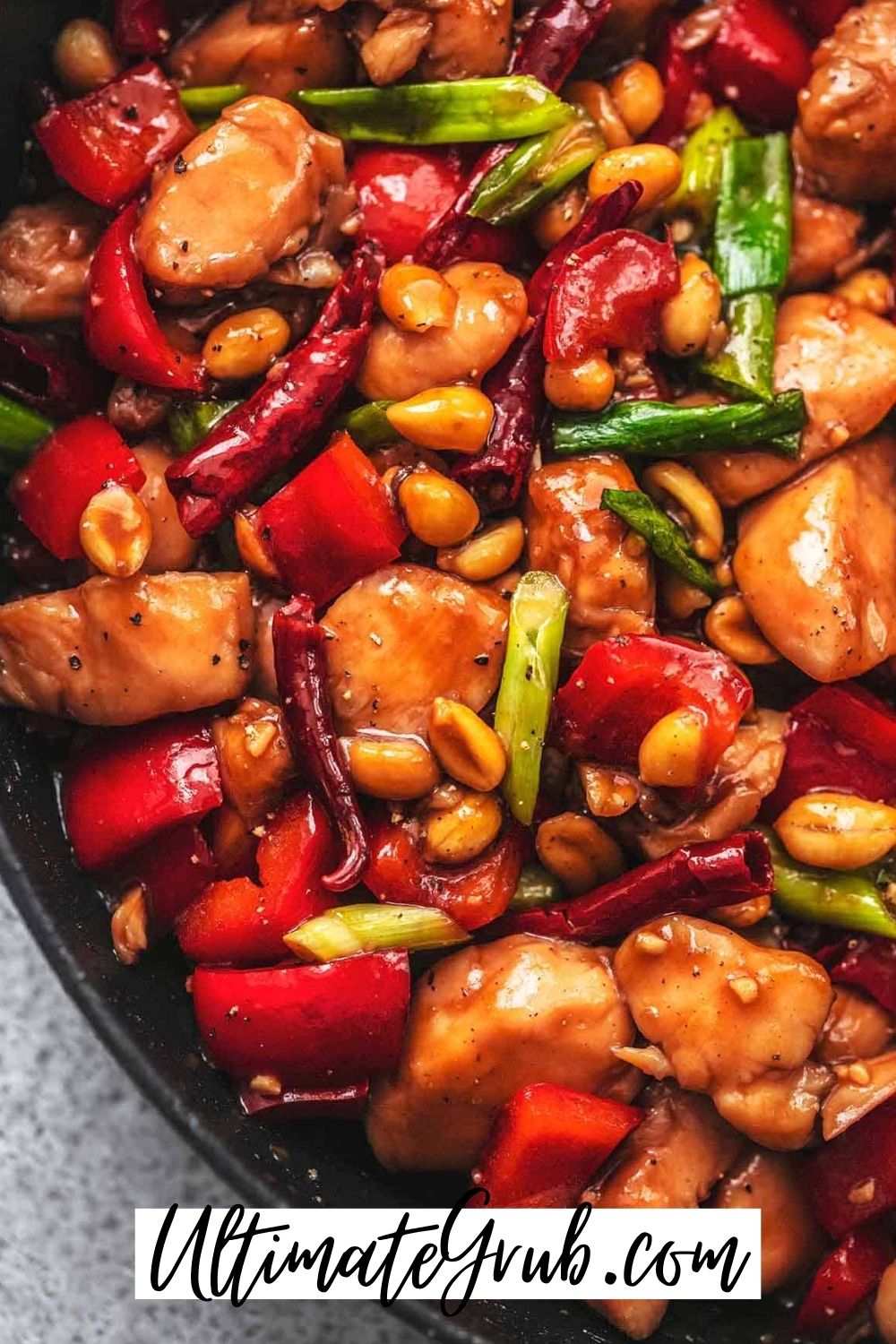
This is bold, savory, a little spicy, slightly tangy, and packed with texture. You’ve got tender chicken, crunchy peanuts, and a sauce that actually knows what it’s doing—salty, sweet, spicy, and balanced instead of just one-note.
And here’s the thing most people miss…
Kung Pao isn’t supposed to be drowning in sauce.
It’s supposed to be coated. Glossy. Flavor-packed without being heavy.
This version gets that right.
You’re building flavor step by step, controlling the heat, and finishing with that signature combination of sauce, peanuts, and quick stir-fried ingredients that actually hit in every bite.
This is one of those meals that feels like takeout—but tastes better because you didn’t cut corners.

Why You’ll Love This Kung Pao Chicken
This recipe works because it balances everything instead of overloading one side.
The chicken is tender and lightly crisp on the outside, giving you texture without being greasy.
The sauce isn’t overly sweet. It leans savory with just enough sweetness to balance the vinegar and spice. That’s what makes it addictive instead of overwhelming.
Then you’ve got the peanuts.
They’re not just thrown in—they add crunch that breaks up the softness of the chicken and keeps every bite interesting.
And the heat?
You control it.
This isn’t “burn your face off” spicy unless you want it to be. It’s adjustable, which means you can make it exactly how you like it.
What You’ll Need
Before you start cooking, understand this—Kung Pao is fast.
Once it starts, it moves quickly. That means everything needs to be prepped and ready before you turn on the heat.
Start with the chicken.
You want bite-sized pieces so they cook quickly and evenly. Chicken thighs are ideal because they stay juicy, but breast works if you’re careful not to overcook it.
Now the coating.
This isn’t a heavy breading like orange chicken. It’s a light coating that gives the chicken just enough texture to hold onto the sauce.
Then the sauce.
This is where everything comes together. Soy sauce gives you salt and depth. Vinegar adds tang. Sugar balances it out. Garlic and ginger build flavor underneath it all.
And then the peanuts and dried chilies.
That’s what gives Kung Pao its identity.
Crunch, heat, and that signature bite.
Tools for This Recipe
Ingredients for Kung Pao Chicken
This is where everything comes together.
Each ingredient has a purpose, and when they’re combined properly, you get that bold, balanced flavor Kung Pao is known for.
For the Chicken:
- 1½ lbs chicken thighs or breasts, cut into bite-sized pieces
- 1 egg
- 1/2 cup cornstarch
- Salt and pepper to taste
- 2 tbsp oil (for cooking)
For the Sauce:
- 1/4 cup soy sauce
- 2 tbsp rice vinegar
- 2 tbsp sugar
- 1 tbsp hoisin sauce
- 1 tbsp garlic, minced
- 1 tsp ginger, grated
- 1 tbsp cornstarch mixed with 2 tbsp water (slurry)
For the Stir-Fry:
- 1/2 cup roasted peanuts
- 4–6 dried red chilies (adjust for heat)
- 2 green onions, sliced
- 1 red bell pepper, chopped
Once everything is prepped, you’re ready to cook.
How to Make Kung Pao Chicken
Start by prepping your chicken.
Cut it into evenly sized bite-sized pieces so it cooks at the same rate. Season lightly with salt and pepper to build a base layer of flavor before anything else happens.
In a bowl, beat the egg until smooth. In another bowl, add the cornstarch.
Dip each piece of chicken into the egg, then coat it lightly in cornstarch. This isn’t a heavy coating—you just want enough to give it texture and help the sauce stick later.
Set the coated chicken aside while you heat your pan.
Heat a large skillet or wok over medium-high heat and add oil. Let it get hot—you want the chicken to sizzle as soon as it hits the pan.
Add the chicken in a single layer.
Don’t overcrowd the pan. Cook in batches if needed. Let the chicken sit for a minute before moving it so it develops a light golden crust.
Cook for about 4–5 minutes, turning occasionally, until the chicken is cooked through and lightly crispy on the outside.
Remove the chicken and set it aside.
Now, in the same pan, add a little more oil if needed.
Add the chopped bell peppers and dried red chilies, and cook them for about 60-90 seconds until the bell pepper are softened but still have a little bite to them. This step releases their flavor of the dried chilies into the oil, which builds the base of the dish.
Add the garlic and ginger.
Stir quickly and cook for about 20–30 seconds. You want them fragrant, not burned.
Now pour in your sauce mixture.
Stir everything together and let it come to a simmer. The sauce should start to thicken slightly as it heats.
Add the cornstarch slurry and stir continuously.
Within a minute or two, the sauce will thicken into that glossy, coating consistency.
Now return the chicken to the pan.
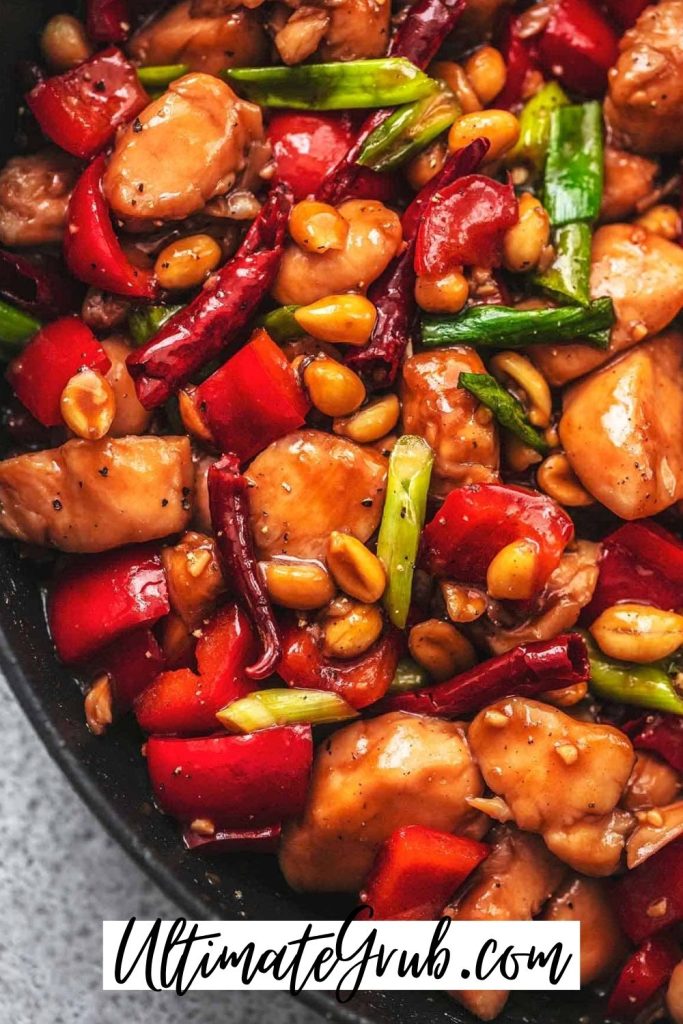
Toss it in the sauce so every piece gets coated. Add the peanuts and green onions and toss again.
Cook for another minute so everything heats through and blends together.
Serve immediately.
Substitutions & Variations
You can adjust this, but keep the balance.
You can use chicken breast instead of thighs, but be careful not to overcook it.
You can add vegetables like bell peppers or zucchini if you want more texture.
You can also adjust the heat by adding more or fewer dried chilies.
What to Serve With Kung Pao Chicken
This pairs best with simple sides.
Steamed rice is the classic choice and balances the bold flavor of the dish.
You can also serve it with noodles or a side of stir-fried vegetables.
Leftovers & Storage
Store leftovers in an airtight container in the fridge for up to 3 days.
Reheat in a skillet if possible to bring back some texture.
The sauce may thicken slightly, so add a splash of water if needed.
FAQs
What makes Kung Pao chicken different from other chicken dishes?
It’s the balance.
Kung Pao combines savory, sweet, tangy, and spicy flavors with a mix of textures. The peanuts and dried chilies give it a signature bite that sets it apart from other dishes.
Why is my chicken not crispy?
It usually comes down to pan temperature or overcrowding.
If the pan isn’t hot enough, the chicken won’t crisp—it will steam. If you overcrowd it, the temperature drops and you lose that texture.
How spicy is Kung Pao chicken supposed to be?
It depends on how you make it.
Traditional versions have noticeable heat, but you can adjust it by using fewer chilies or removing seeds.
Can I make this ahead of time?
You can, but it’s best fresh.
The texture is best right after cooking. If reheating, use a skillet and add a splash of water to loosen the sauce.
Can I skip the peanuts?
You can, but you’ll lose texture.
Peanuts are part of what makes Kung Pao what it is. Without them, it’s still good—but not the same.
Final Thoughts
This is one of those dishes that proves balance matters.
Bold, savory, slightly spicy, with just enough crunch to keep it interesting.
It’s fast, it’s flavorful, and it hits exactly the way it should.
And once you make it yourself?
Takeout starts looking a lot less appealing.

