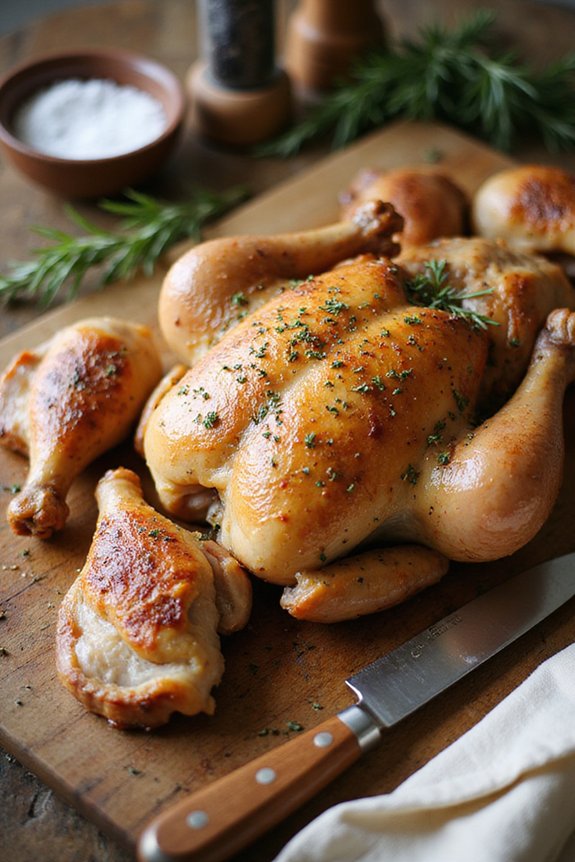
Cutting up a whole chicken might sound intimidating, but trust me, it’s easier than you think. I used to avoid it, opting for pre-packaged pieces instead, but once I tried it, I found it oddly satisfying. Want juicy thighs and crispy wings? You’ll need to know the ins and outs. So, let’s roll up our sleeves, grab those kitchen shears, and tackle this delicious challenge together. Ready to get your hands a bit messy?
Mastering Chicken Butchery: A Step-by-Step Guide

Cutting up a whole chicken might seem intimidating at first, but trust me, once you get the hang of it, you’ll feel like a culinary ninja. Seriously, I used to avoid it like the plague, thinking I’d somehow summon a flock of angry poultry spirits if I made a wrong cut.
But once I dove in, I realized it’s not that scary. It’s all about confidence and a sharp knife.
First things first, grab your chicken and some sturdy kitchen shears or a good chef’s knife. I prefer shears because they feel like I’m wielding a superhero tool.
Start by rinsing the chicken under cold water. This is just a little poultry preparation ritual; I find it oddly satisfying. Next, pat it dry with paper towels. Moisture can be a slippery situation when you’re cutting.
Now, flip that bird breast-side up. With your knife or shears, make a cut along each side of the backbone to remove it. Don’t worry if it feels tough; it’s just the chicken showing off its muscles.
Once that backbone’s out, you can press down on the breastbone until it cracks. It’s like a mini workout.
Next, you’re going to cut through the joints to separate the legs and thighs. Look for those natural seams; they’ll guide you like a GPS.
If you’re feeling fancy, you can even save the wing tips for homemade stock. It’s a win-win—less waste and some delicious broth later for your chicken cooking adventures. Using a cast iron dutch oven to cook your chicken can enhance the flavor and tenderness of your dish.
As you chop, don’t forget to keep your fingers clear. The last thing you want is to add a “special ingredient” to your meal. Trust me, I’ve been there, and it’s not cute.
Once you’ve got your eight pieces, feel free to marinate them or toss them straight on the grill. You’ve conquered that chicken, and now you can strut around like a culinary champion.
FAQs
What Tools Do I Need for Cutting Chicken?
You’ll need a few essential tools for cutting chicken. First, grab a sharp chef’s knife—it’s your best friend here.
A boning knife helps too, especially for those tricky joints. Don’t forget a sturdy cutting board; it saves your countertop and keeps things tidy.
I once tried using a flimsy one and, let’s just say, it didn’t end well. A pair of kitchen shears can also be a game changer. Trust me, you’ll thank yourself later.
How Can I Ensure Food Safety While Butchering?
To guarantee food safety while butchering, I always start by sanitizing surfaces. I mean, who wants salmonella as a side dish?
Next, I wash my hands thoroughly—think of it as a mini spa day for my fingers.
I keep raw chicken separate from other foods too; cross-contamination isn’t my idea of fun.
And, if I drop something on the floor, it’s definitely going in the trash. No “five-second rule” here. Trust me, it’s not worth it.
Can I Freeze Chicken Pieces After Cutting?
Absolutely, you can freeze chicken pieces after cutting!
Just make sure to pack them in airtight bags or containers. I learned the hard way that freezer burn is real, folks.
Label them with the date, too—trust me, you don’t want to play “What’s That Mystery Meat?” later.
And here’s a fun tip: freezing chicken in portions makes meal prep a breeze.
Just pull out what you need, and dinner’s half done!
What’s the Best Way to Store Cut Chicken?
The best way to store cut chicken? First, I pop it in an airtight container or a heavy-duty freezer bag.
If I’m feeling fancy, I’ll marinate the chicken before freezing—it adds flavor and keeps it juicy.
Just remember, I label everything with the date. When I forget, it’s like a game of chicken roulette, and trust me, that’s not fun.
How Do I Know When Chicken Is Fully Cooked?
You’ll know chicken’s fully cooked when it hits an internal temperature of 165°F.
I use a meat thermometer—trust me, it’s a game changer.
But don’t just rely on numbers; look for visual cues too. The juices should run clear, and the meat should be opaque, not pink.
I’ve burned more dinners than I care to admit, so trust me on this.
Cooking chicken perfectly is a triumph worth celebrating, even if I can’t find my oven mitts.
Final Thoughts
So, there you have it—cutting a whole chicken doesn’t have to feel like a scene from a horror movie. With a little practice, you’ll be a pro in no time. Remember, it’s all about those natural seams and a little elbow grease. Plus, you’ll save some cash, which is always a win. Next time you’re in the kitchen, channel your inner butcher and impress your friends. Who knew chicken could be this fun? Happy chopping!