

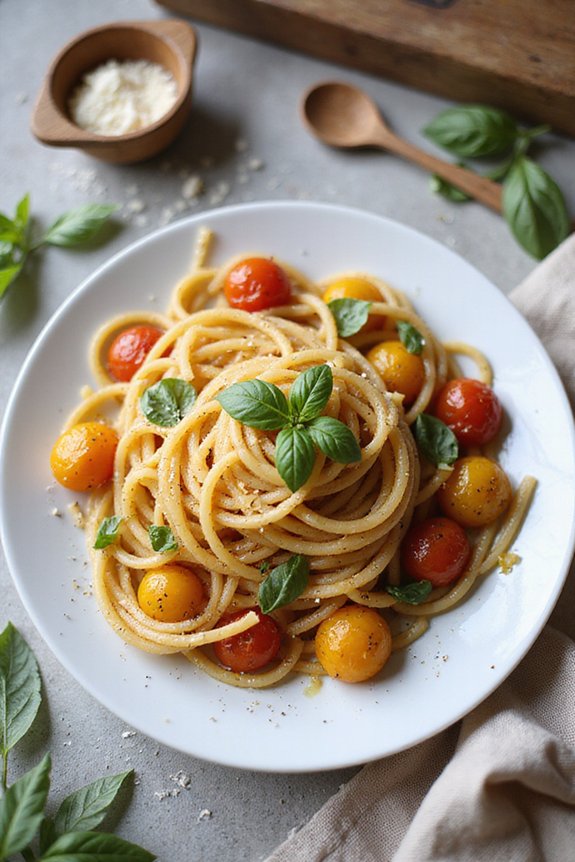
When it comes to boiling pasta, I’ve had my share of noodle disasters. You know, the mushy, clumpy mess that’s more goo than gourmet?
It’s a tragedy. But don’t worry, I’ve learned a thing or two. First, salt your water—it’s like giving your pasta a spa day.
Then, always taste for that perfect al dente bite. Trust me, it’s worth the wait. Want to know the secret to keeping it from sticking?
Stick around, there’s more to this pasta party.
Mastering the Art of Boiling Pasta
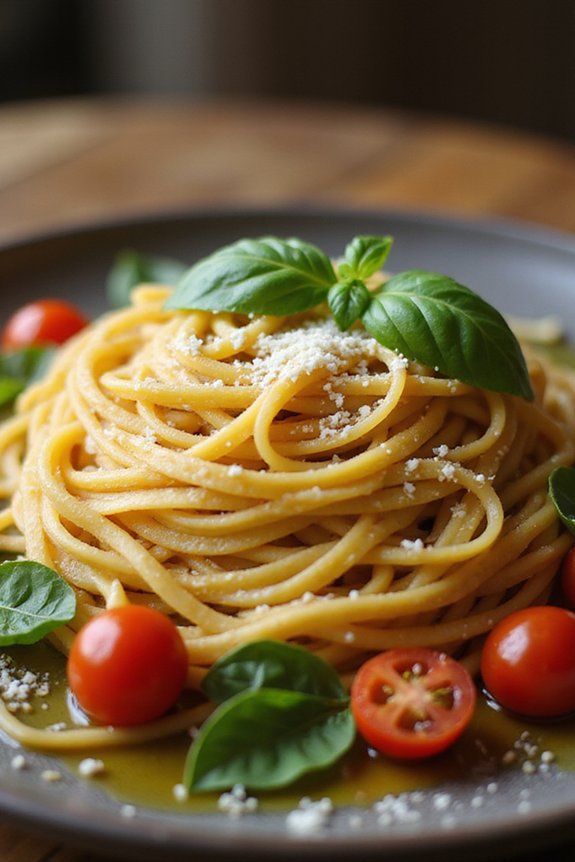
Boiling pasta is one of those culinary skills that feels like a rite of passage—like learning to ride a bike or realizing that burnt toast isn’t the end of the world.
The first time I attempted it, I was armed with nothing but a pot, some water, and a vague idea of how long to cook it. Spoiler alert: it was a disaster, and my pasta turned into a clumpy, mushy mess.
But over the years, I’ve picked up a few cooking tips that’ve made me a pasta pro.
First off, let’s talk about the pasta types. You’ve got your spaghetti, penne, farfalle, and a whole universe of shapes and sizes, each one needing a slightly different approach.
Generally, the thicker pastas like rigatoni take a bit longer to cook, while thinner ones like angel hair cook super fast. Always check the package for cooking times, but remember, they’re just guidelines.
Now, the secret sauce—well, not literally, but close enough. The water needs to be boiling, and I mean roaring like it’s had too much coffee. Add salt to the water; it should taste like the sea. Seriously. This is where flavor starts.
When you toss in the pasta, give it a good stir immediately. This helps prevent sticking, which is a common rookie mistake.
Keep an eye on it, and don’t wander off to binge-watch your favorite show. Set a timer, and taste a piece a minute or two before the time’s up. You want it al dente—firm to the bite, not mushy.
And if you’ve made a mistake, don’t sweat it. I’ve been there, and trust me, it’s not the end of the world. Drain the pasta, toss it with your sauce, and voila! You’ve got dinner. Just remember, premium enameled dutch ovens are perfect for boiling pasta evenly, and soon you’ll be boiling pasta like a pro.
FAQs
Can I Add Oil to the Boiling Water?
You can add oil to boiling water, but I wouldn’t recommend it.
Sure, oil benefits seem tempting—it might stop pasta from sticking—but it also makes sauce slide right off. I’ve made that mistake, trust me.
Instead, focus on the water’s temperature and stir occasionally. Keep an eye on the clock.
Perfect pasta texture is about timing, not oil. So, let’s ditch the oil and embrace the glorious art of boiling!
How Do I Know When Pasta Is Al Dente?
You’ll know pasta’s al dente when it has a firm bite but isn’t crunchy—think of it as the Goldilocks of pasta texture.
I usually set a cooking timer for a minute or two less than the package suggests, then taste a piece. If it’s got a little resistance but feels delightful in your mouth, you’ve nailed it!
Trust me, overcooked pasta is like a sad, soggy noodle party nobody wants to attend.
Should I Rinse Pasta After Boiling?
I don’t rinse my pasta after boiling, and here’s why: rinsing can wash away the starchy goodness that helps sauce cling.
Sure, it cools down the pasta fast—great if you’re making a cold salad.
But, if you want that delightful al dente bite, skip the rinse. Trust me, it’s worth it.
Just imagine your sauce sliding off like it’s on a slippery slope—no thanks. Keep that pasta starchy and let the flavors mingle!
What Type of Salt Is Best for Boiling Water?
When boiling water, I usually grab kosher salt. It’s easy to measure and dissolves quickly.
Sea salt? It’s got benefits, like a burst of flavor, but it can be a bit coarse. Have you ever tried using too much? Yikes. It’s like a salt bomb in your mouth.
But hey, a little sprinkle of either enhances pasta perfectly. Just remember, balance is key. Too much salt, and you’re in for a surprise.
Can I Reuse Pasta Water for Sauce?
Absolutely, I reuse pasta water for my sauces.
It’s like liquid gold, full of starch that adds creaminess and helps thicken my sauce. I’ve learned the benefits of pasta water the hard way—nobody likes a watery sauce, right?
Just save a cup before draining, and stir it in gradually. Trust me, it’s a game changer.
Plus, it makes me feel super chef-y, like I’m in a cooking show. Who doesn’t love that?
Final Thoughts
So, there you have it—boiling pasta doesn’t have to be rocket science. With a little attention, a dash of salt, and a keen sense of timing, you can whip up perfectly al dente pasta every time.
Don’t forget to keep an eye on it; we all know how easily pasta can go from firm to mushy, right?
Trust me, you’ll feel like a kitchen superstar when you toss that pasta with your sauce.

