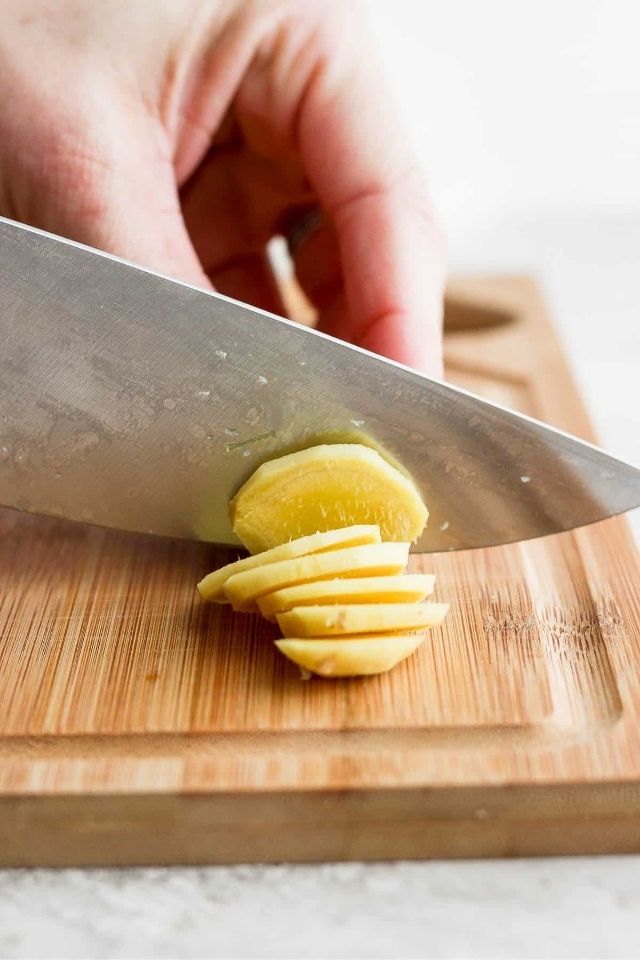
Let’s chat about how to tackle a recipe like a pro. I used to skim through them, thinking I was invincible in the kitchen—spoiler alert: I wasn’t. Trust me, taking the time to soak in every detail makes a world of difference. Ever had a soup that tasted like dishwater? Yeah, me too. So, what’s the secret sauce to avoiding that culinary disaster? Well, it all starts with understanding the recipe’s rhythm and flow…
Mastering Recipe Reading Skills

Reading a recipe can feel a bit like deciphering a secret code, especially if you’re new to the kitchen or just trying to impress your friends with your culinary skills. I remember the first time I looked at a recipe and thought, “What on earth is a ‘pinch’ of salt?” I’d no idea how to measure it, let alone what “simmer” meant. But don’t worry, I’ve got your back. Let’s break this down together.
First off, ingredient measurement is essential. You don’t want to end up with a cake that tastes like cardboard because you mistook a tablespoon for a teaspoon. Trust me, I’ve been there. When a recipe calls for “1 cup of flour,” grab your measuring cup, not your coffee mug.
And if it says “2 tablespoons of sugar,” use the right utensil, or you might just create a dessert that could double as a science experiment.
Now, let’s chat about cooking terminology. Words like “sauté,” “braise,” or “whisk” might sound fancy, but they’re just directions. To sauté means to cook something quickly in a bit of oil over high heat—think of it as giving your veggies a quick spa treatment.
And braising? That’s just a slow-cooked hug for tougher cuts of meat. Investing in a high end food processor can also elevate your cooking experience by making ingredient preparation a breeze.
Reading through the entire recipe before you start is a game-changer. It’s like reading the directions before assembling IKEA furniture—you’ll save yourself a lot of headaches.
And if you’re unsure about something, Google is your best friend. Look up terms you don’t get, or better yet, ask someone who knows their way around the kitchen.
As you practice, those cooking terms and measurements will start to make sense. You won’t just be following a recipe; you’ll be creating a masterpiece.
FAQs
What Should I Do if I Don’t Have a Specific Ingredient?
If you don’t have a specific ingredient, don’t sweat it. I often raid my pantry for substitutions.
For example, no buttermilk? Just mix milk with a splash of vinegar.
Need eggs? Applesauce works wonders.
Your kitchen’s a treasure trove of ingredient alternatives. Just think outside the box! Embrace the chaos.
I’ve turned a baking disaster into a surprise hit before. Cooking’s about creativity, not perfection.
Give it a whirl, and who knows? You might discover something delicious.
How Can I Adjust Cooking Times for Different Appliances?
When I adjust cooking times for different appliances, I always check how my oven, slow cooker, or air fryer compares.
For instance, if my recipe says 30 minutes at 350°F in an oven, I might reduce it to 25 minutes in an air fryer.
It’s like a cooking appliance conversion dance.
And let’s be real; I’ve burned more dinners than I’d like to admit.
Trust your instincts, and keep a close eye on things.
Are There Common Abbreviations I Should Know?
Absolutely, there are some common abbreviations you should know! For instance, “tbsp” means tablespoon, and “tsp” stands for teaspoon.
When it comes to measurement conversions, remember that 3 teaspoons equal 1 tablespoon—handy, right?
And if a recipe calls for “oz,” it’s referring to ounces.
I’ve mixed up these abbreviations before—let’s just say my cookies turned out… interesting.
Knowing these can save you from culinary chaos and keep your dishes delicious!
Can I Substitute Fresh Herbs for Dried Ones?
You can totally substitute fresh herbs for dried ones, but keep in mind that fresh herbs pack a flavor punch!
If a recipe calls for dried herbs, I usually triple the amount when using fresh—fresh herb benefits, right?
Just remember that dried herbs have more potency because they’re concentrated. So, don’t go overboard, or you’ll end up with a garden salad instead of a savory dish.
Trust me, I’ve been there, and it’s not pretty!
How Do I Know When Food Is Properly Cooked?
I know food’s properly cooked when I can’t see any pink in meat, and a food thermometer reads the right temp—165°F for poultry, 145°F for pork.
Trust me, undercooked chicken isn’t a good look. I also rely on cooking techniques like the fork test for veggies; they should be tender, not mushy.
And if your dish smells amazing, you’re close! Remember, food safety is key—no one wants a surprise trip to the ER.
Final Thoughts
So, next time you tackle a recipe, remember: read it through, gather your gear, and embrace the joy of cooking. It’s like a treasure map, and every step leads you closer to deliciousness. You might stumble, like I did when I mistook cayenne for cinnamon (oops), but that’s part of the fun, right? Cooking’s all about learning and laughing, so jump in, get a little messy, and make something amazing. You’ve got this!