

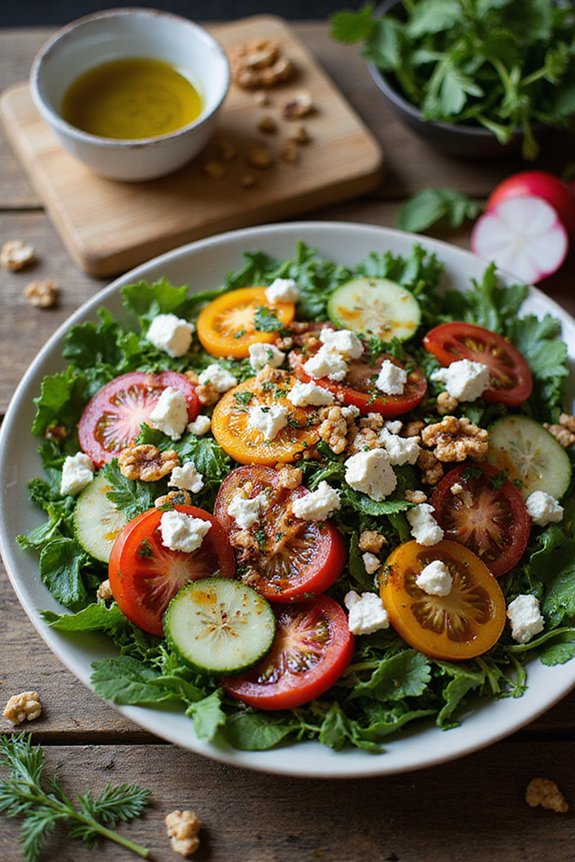
Choosing the right cooking oil can feel like maneuvering through a tricky maze, right? I mean, one minute I’m pouring olive oil for a salad, and the next, I’m frying chicken in peanut oil—who knew oils had personalities? Each kind brings its own flavor and health benefits to the table, but don’t we all want to avoid that smoky disaster? Stick around, and I’ll share some surprising tips that’ll make your cooking shine without turning your kitchen into a science experiment.
Choosing the Right Oil for Your Cooking Needs

Have you ever stood in front of the cooking oil aisle, completely overwhelmed by the dizzying array of choices? I know I have. I mean, who knew there were so many oil types? From olive to canola, avocado to coconut, it’s like a culinary maze, and I’m just trying to find my way out without picking something that’ll ruin my dinner.
So, how do you pick the right one? First, consider what you’re cooking. If you’re frying up some crispy chicken, you might want something with a high smoke point like peanut or grapeseed oil. It’s all about that sizzle, right?
On the flip side, if you’re tossing a simple salad, extra virgin olive oil can add a fantastic flavor and health benefits. Seriously, it’s like a liquid gold for your heart.
Speaking of health benefits, let’s chat about that for a moment. Different oils offer different perks. For instance, olive oil is packed with antioxidants and can reduce inflammation. Coconut oil? It’s got medium-chain triglycerides that may help with weight loss—so, there’s that. Investing in a high-end cookware set can also enhance your cooking experience and help you achieve better results with various oils.
But don’t go thinking you can drown your fries in it and call it a health food. Moderation is key, my friends.
Now, I’ve had my fair share of culinary mishaps. One time, I thought I was being all fancy by using truffle oil on pasta. Spoiler alert: it was too much, and my dinner turned into a fragrant disaster.
Lesson learned—sometimes, less really is more, especially when it comes to flavor.
FAQs
Can I Reuse Cooking Oil After Frying?
Absolutely, I often reuse frying oil! Just make sure to filter it first.
I pour it through a fine mesh strainer or cheesecloth to catch the bits of food—trust me, no one wants a crunchy surprise in their next dish.
Store it in a cool, dark place, and keep an eye on its smell and color. If it smells rancid or looks off, it’s time to say goodbye.
Happy frying!
How Should I Store Cooking Oils?
I store my cooking oils in a cool, dark place, like a pantry. Light and heat can lead to oil contamination, which is no fun.
I even use dark glass bottles for extra protection—who knew I’d be a bottle snob? Keep them tightly sealed; air can spoil that liquid gold.
And don’t forget to check expiration dates; expired oil is like a sad cooking experiment waiting to happen. Trust me, it’s not pretty.
What Is the Shelf Life of Cooking Oil?
The shelf life of cooking oil really depends on the type. Generally, oils like olive and canola last about 1-2 years when stored properly.
I’ve learned to sniff for oil expiration signs—if it smells funky or tastes bitter, it’s time to toss it.
Don’t forget, keeping your oils in a cool, dark place helps, too. Trust me, rancid oil isn’t what you want to drizzle on your salad.
Are There Oils I Should Avoid for Health Reasons?
You definitely want to avoid oils high in trans fats. They’re like the uninvited guests at a dinner party—nobody wants them.
Plus, heavily processed oils can mess with your health, so steer clear of those. I always check labels; if it sounds like a science experiment, I’m out.
Stick with oils like olive or avocado, which aren’t only tasty but also healthier. Your heart will thank you, and so will your taste buds.
How Does Oil Smoking Point Affect Cooking?
The smoking point really matters when I’m cooking. If I heat oil past its smoking point, it not only ruins the flavor but also releases harmful compounds—yikes!
For frying, I stick to oils with high smoking points, like canola or avocado oil. It’s great for high-heat cooking methods.
I’ve burned oil before. Trust me, it’s a culinary disaster. So, keep an eye on those temps, and you’ll cook like a pro, not a sad chef.
Final Thoughts
So, there you have it—picking the right cooking oil isn’t rocket science, but it can feel like a culinary minefield sometimes. Just remember to match your oil to your cooking method and health goals. Whether you’re frying up a storm with peanut oil or drizzling olive oil on a fresh salad, each choice adds its own flavor and flair. So, experiment a little, have fun, and don’t be afraid to make mistakes—after all, even the best chefs have their “oops” moments.

