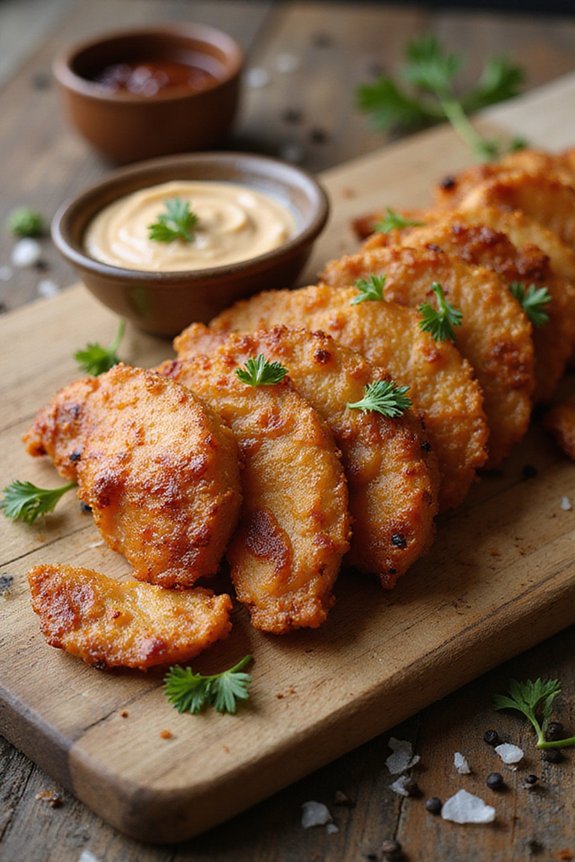
When I first started cooking meat, I relied way too much on a thermometer, which made me feel like I was in a science lab, not a kitchen. But guess what? You can totally tell when meat is done just by looking and touching it. Ever seen that beautiful golden-brown skin on roasted chicken? Or felt the difference between a firm steak and a squishy one? It’s all about those visual cues and textures. Curious how to master this art?
Visual Cues for Cooking Meat Perfectly

Knowing when meat is done can be a little tricky, right? I mean, I can’t count how many times I’ve pulled a chicken breast out of the oven, only to slice it open and see that pink hue staring back at me. It’s enough to make anyone second-guess their cooking skills.
So, let’s talk about those visual cues that’ll help you nail safe cooking, even without a thermometer.
First off, let’s discuss color. When you’re cooking poultry, it should be a lovely golden brown on the outside. If it’s still a pale, sickly color, it’s not ready for your plate.
And beef? That’s a little different. You might want it medium-rare, which means a warm, rosy center. But if you’re looking for well-done, it should be brown throughout, but not dried out like a piece of cardboard. Trust me, nobody wants cardboard for dinner.
Next, there’s texture. I learned the hard way that poking at the meat is a must. When you press a piece of cooked chicken, it should feel firm but not rock-hard. If it’s squishy, you might want to give it a few more minutes.
I once served up a burger that could’ve been mistaken for a rubber ball. Let’s just say my friends didn’t let me live that down.
And let’s not forget about juices. When you slice into a piece of meat, the juices should run clear, not pink. If you see a bloodbath, it’s back in the oven for you, my friend. Also, investing in a premium meat thermometer set can make a world of difference in ensuring perfect results every time.
FAQs
What Are the Risks of Undercooked Meat?
Undercooked meat? It’s a risky game. You could end up with foodborne illnesses, and trust me, that’s not a fun experience.
I once had a bad run-in with some rare chicken—never again. Safe temperatures really matter; for beef, it’s 145°F, and for poultry, 165°F.
You don’t want to be the person who finds out how bad it can get. So, play it safe and cook that meat properly. Your stomach will thank you.
Can I Use Touch to Check Meat Doneness?
Absolutely, you can use touch techniques to check meat doneness! I often press the meat with my finger—if it feels like the fleshy part of my palm, it’s usually medium rare.
For well done, it’s firmer, like my bicep after a workout (yikes). Doneness indicators can be tricky, but practice makes perfect.
How Does Resting Meat Affect Doneness?
Resting meat is essential because it allows for temperature change.
When I pull a steak off the grill, I let it rest to prevent those delicious juices from spilling out like my hopes of being a gourmet chef.
Usually, I give it about 5 to 10 minutes. That resting time makes a difference, ensuring every bite is tender and juicy.
Trust me, it’s way better than slicing into it right away. Who wants dry meat? Not me.
What Is Carryover Cooking?
Carryover cooking is when your meat keeps cooking after you take it off the heat. Crazy, right? It’s like magic!
The heat redistributes within the meat, so it can rise a few degrees. I’ve totally burnt my steak because I didn’t account for that.
To get it right, let your meat rest for a few minutes before slicing. Trust me, it makes a world of difference in flavor and juiciness.
Are There Specific Signs for Different Meats?
Absolutely, there are signs for different meats.
For chicken doneness, look for clear juices and firm texture.
With beef doneness, poke it; if it springs back, you’re golden.
Pork doneness? Check for a slight blush in the center and juices running clear.
As for fish doneness, it should flake easily with a fork.
Trust me, I’ve undercooked more than my fair share, but now I’ve got these tricks down!
Final Thoughts
So, the next time you’re in the kitchen, ditch the thermometer and trust your instincts. Focus on those visual cues—like that mouthwatering golden brown on your chicken and the rosy center of your steak. Feel the texture, watch for clear juices, and you’ll be a meat-cooking maestro in no time. Remember, practice makes perfect, even if your first attempt looks like a crime scene. Now, go forth and impress your friends with your newfound skills. Happy cooking!