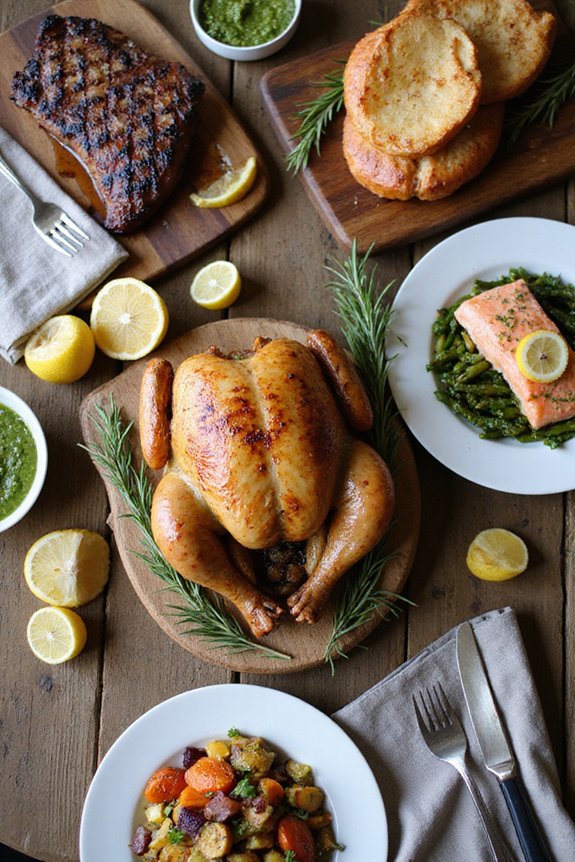
Using a meat thermometer is a game-changer in the kitchen, trust me. I used to wing it, poking and prodding, thinking I could tell when my chicken was done. Spoiler alert: I was wrong—so many times. Now, I stick that thermometer into the thickest part, aiming for 165°F for chicken, 145°F for pork, and 135°F for a perfect medium-rare steak. Curious about how to nail that fish fillet? Stick around; I’ve got some juicy tips coming your way.
Mastering the Meat Thermometer

Using a meat thermometer might seem like a no-brainer, but trust me, it can make or break your dinner. Imagine this: you’ve got a beautiful roast in the oven, the aroma wafting through your kitchen, and your guests are keenly waiting. You slice into it, and bam! It’s still pink in the middle. Not the kind of surprise anyone wants, right? That’s where choosing thermometers comes into play.
When I first started cooking, I thought I could just wing it. Who needs a thermometer? Well, I quickly learned that undercooked chicken is a ticket to food poisoning central, and nobody wants that. So, let’s talk about the best types of thermometers. I’ve got a digital one that gives me a reading in seconds. No more waiting and guessing. Just poke it in the thickest part of the meat, and voilà!
But don’t forget the importance of proper calibration. You wouldn’t want to trust a thermometer that’s been off by ten degrees. I check mine by placing it in boiling water; it should read 212°F. If it doesn’t, it’s time to adjust or replace it. Trust me, a properly calibrated thermometer is like having a secret weapon in your kitchen arsenal. It’s your ticket to perfect steaks, juicy chicken, and oh-so-tender pork. A premium meat thermometer can elevate your cooking experience even further.
Now, let’s not forget the temperature guidelines. Chicken should hit 165°F, while medium-rare steak is around 135°F. You want your pork to reach 145°F. And don’t even get me started on fish; it’s done at 145°F too!
FAQs
Can I Use a Meat Thermometer in the Oven?
Yes, you can totally use a meat thermometer in the oven! Just make certain it’s oven-safe.
I once forgot and ended up with a melted thermometer—yikes! Using it not only boosts cooking efficiency but also guarantees oven safety by keeping your food at the right temp.
Trust me, no one wants undercooked chicken. So, stick that thermometer in, close the oven, and let it do its thing while you relax.
How Often Should I Calibrate My Meat Thermometer?
I calibrate my meat thermometer every few months, or whenever it takes a vacation in boiling water or ice water—my personal calibration party.
Why? Because thermometer accuracy is key to not serving chicken that’s still playing hide-and-seek with salmonella.
Just stick it in ice water; it should read 32°F. If it doesn’t, you might wanna reconsider your life choices.
But hey, at least you’ll know your thermometer’s not lying to you!
What’s the Best Type of Meat Thermometer to Buy?
I’d recommend a digital meat thermometer for its speed and accuracy.
Let’s be honest: waiting for an analog one to settle feels like watching paint dry. Look for a long probe, too—it makes checking those thick cuts a breeze.
Trust me, you don’t want to get burned (literally) by undercooked meat. Plus, digital ones often have handy backlit displays.
Who knew cooking could get so techy? Happy grilling, my friend!
Can I Leave the Thermometer in While Cooking?
You can absolutely leave the thermometer in while cooking, especially if it’s a probe type. It tracks the temp in real-time, so you won’t have to play the guessing game.
Just be careful when using other cooking techniques, like grilling, where it might get too hot. I once melted a plastic one—never again.
How Do I Clean My Meat Thermometer Properly?
To clean my meat thermometer, I first rinse it under hot water to get rid of any gunk.
Then, I use a soapy sponge—yes, the one I probably should’ve used on those dishes last week.
After that, I soak it in a sanitizing solution, like a mix of water and vinegar, for a few minutes.
It’s simple, but I promise, it keeps my thermometer happy and ready for the next cooking adventure.
Final Thoughts
So, there you have it! Using a meat thermometer isn’t just smart; it’s a game changer in the kitchen. No one wants to serve undercooked chicken or a rubbery steak, right? Just remember those key temps: 165°F for chicken, 135°F for that perfect steak, and 145°F for pork and fish. Next time you’re cooking, let that thermometer guide you. Trust me, your taste buds will thank you—maybe even throw a little party in your mouth.