


This post may contain affiliate links. Please read our disclosure policy.
If you’ve ever ordered orange chicken and thought, this is good… but something’s missing—this is the version you were actually looking for.
Because real orange chicken isn’t just sweet and sticky.
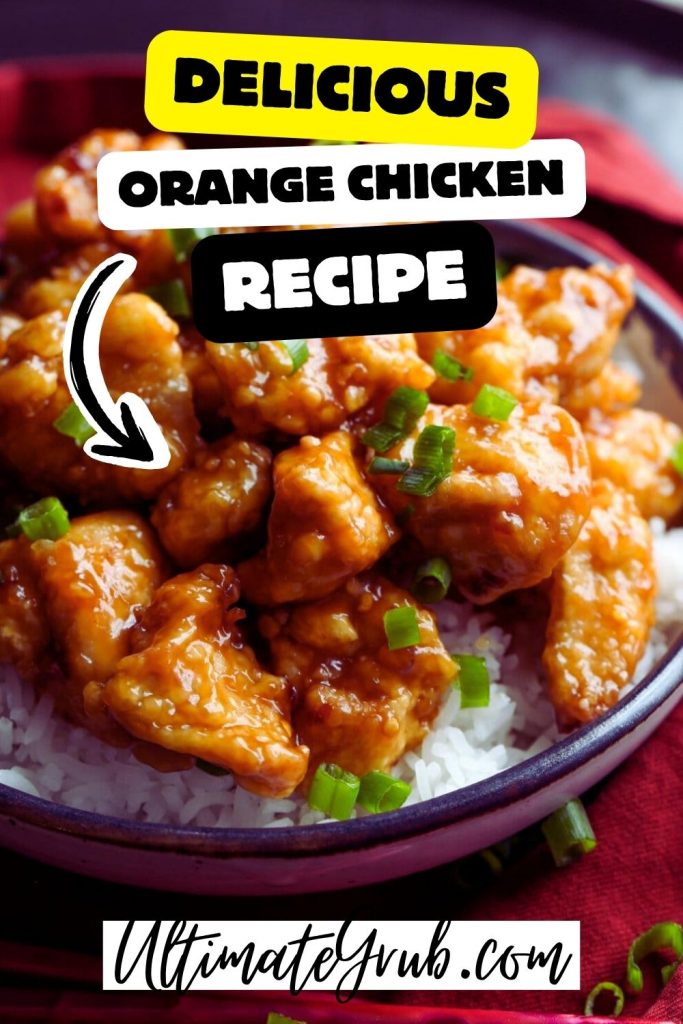
It’s bold. It’s tangy. It’s crispy on the outside, juicy on the inside, and coated in a sauce that actually tastes like orange—not just sugar pretending to be citrus.
And here’s the truth most people don’t realize…
Takeout cuts corners.
The chicken isn’t always crispy. The sauce leans too sweet. The balance is off. And after a few bites, it all starts tasting the same.
This fixes that.
You’re building this from the ground up—crispy chicken that actually holds its texture, and a sauce that hits sweet, tangy, savory, and just a little sharp all at once.
And once you nail it?
You’re not craving takeout anymore—you’re making it at home.
In this post…
Why You’ll Love This Orange Chicken
This recipe works because it respects the two things that matter most: texture and balance.
Let’s start with texture.
The chicken is coated properly and fried at the right temperature so it develops that crispy outer layer that stays crispy long enough to matter. That’s the difference between good orange chicken and soggy disappointment.
Then comes the sauce.
Most versions lean way too sweet. This one doesn’t.
You’ve got real orange juice bringing citrus, sugar bringing sweetness, soy sauce adding depth, and vinegar cutting through everything so it doesn’t feel heavy. It’s balanced—and you notice that in every bite.
And then there’s the timing.
The chicken doesn’t sit in the sauce forever. It gets tossed, coated, and served. That’s how you keep that contrast between crispy and sticky instead of ending up with something soft and one-note.
This is how it’s supposed to be.
What You’ll Need
Before you start cooking, understand this—orange chicken is simple, but it’s not careless.
Every step has a purpose.
Start with the chicken.
You want bite-sized pieces that cook quickly and evenly. Chicken thighs are the best choice because they stay juicy even if you push the cook time a little too far. Chicken breast works, but you need to be more careful or it’ll dry out.
Now the coating.
This is what gives you that crispy shell. The combination of egg, cornstarch, and flour creates a light but structured coating that fries up golden and holds onto the sauce instead of falling apart.
Then the oil.
Temperature matters here. Too low and the chicken absorbs oil and turns greasy. Too high and the outside burns before the inside cooks. You’re aiming for steady, controlled heat.
And finally—the sauce.
This is where everything comes together.
Real orange juice gives you the citrus base. Sugar balances it. Soy sauce adds depth. Garlic and ginger bring flavor underneath it all. And the cornstarch slurry thickens it into that glossy, sticky finish that actually coats the chicken.
Every part matters.
Tools for This Recipe
Ingredients for Orange Chicken
This is where everything starts to come together.
You’re not using anything complicated—but every ingredient is doing a job.
The goal is crispy chicken coated in a bold, balanced sauce that actually delivers.
For the Chicken:
- 1½ lbs chicken thighs or breasts, cut into bite-sized pieces
- 2 eggs
- 1 cup cornstarch
- 1/2 cup flour
- Salt and pepper to taste
- Oil for frying
For the Orange Sauce:
- 1/2 cup orange juice
- 1/4 cup sugar
- 2 tbsp soy sauce
- 1 tbsp rice vinegar
- 1 tbsp garlic, minced
- 1 tsp ginger, grated
- 1 tbsp cornstarch mixed with 2 tbsp water (slurry)
- 1 tsp orange zest (optional, but recommended)
Once everything is prepped, timing becomes everything.
How to Make Orange Chicken

Start by prepping your chicken.
Cut it into evenly sized bite-sized pieces so everything cooks at the same rate. If some pieces are large and others small, you’ll end up with uneven texture—some overcooked, some underdone.
Season the chicken lightly with salt and pepper.
This step might seem small, but it matters. You’re building flavor from the inside out, not relying entirely on the sauce later.
Now set up your coating station.
In one bowl, beat the eggs until smooth. In another bowl, mix together the cornstarch and flour. This combination gives you that crispy exterior with just enough structure to hold up after frying.
Take each piece of chicken and dip it into the egg.
Let the excess drip off so it doesn’t clump. Then transfer it into the flour mixture and coat it thoroughly. Press lightly so the coating sticks instead of falling off during frying.
Set the coated pieces aside on a plate while you finish the rest.
Now heat your oil in a large skillet or wok over medium-high heat.
Give it time to heat up properly. You want the oil hot enough that the chicken sizzles immediately when it goes in. If it doesn’t sizzle, it’s not ready.
Add the chicken in batches.
Do not overcrowd the pan. This is one of the biggest mistakes people make. Too much chicken at once drops the oil temperature and ruins the texture.
Fry each batch for about 4–5 minutes, turning occasionally, until golden brown and cooked through.
You’re looking for a deep golden color—not pale, not burnt.
Once done, remove the chicken and place it on a plate lined with paper towels. This helps remove excess oil and keeps the coating crisp.
Now move on to the sauce.
In a clean pan, combine the orange juice, sugar, soy sauce, rice vinegar, garlic, and ginger.
Stir everything together over medium heat and bring it to a simmer. Let it cook for a few minutes so the flavors start to blend and develop.
Now add the cornstarch slurry.
Pour it in slowly while stirring constantly. Within a minute or two, the sauce will thicken into a glossy, sticky consistency.
If you’re using orange zest, add it now.
This step boosts the citrus flavor and makes the sauce taste fresher and more balanced.
Once the sauce is thickened, add the fried chicken.
Toss it quickly so every piece gets coated evenly.
Don’t let it sit too long.
The longer it stays in the sauce, the softer the coating gets. You want it coated—but still holding some crispness.
Serve immediately.
Substitutions & Variations
You can adjust this, but don’t break the balance.
You can use chicken breast instead of thighs, but watch your cook time closely.
If you want heat, add red pepper flakes or chili paste to the sauce.
If you want to reduce sweetness, you can cut back slightly on the sugar—but don’t remove it entirely or the sauce loses its structure.
What to Serve With Orange Chicken
This pairs best with simple sides that don’t compete.
Steamed white rice is the classic move. It soaks up the sauce and balances the bold flavor of the chicken.
You can also serve it with stir-fried vegetables or noodles if you want to build it out into a full meal.
Or keep it simple and let the chicken carry.
Leftovers & Storage
Store leftovers in an airtight container in the fridge for up to 3 days.
When reheating, use a skillet if possible to bring back some texture. The microwave works, but the coating will soften more.
This is one of those dishes that’s best fresh—but still good the next day.
FAQs
Why is my chicken not crispy?
This usually comes down to oil temperature or overcrowding the pan.
If the oil isn’t hot enough, the coating absorbs oil instead of crisping. If you add too much chicken at once, the temperature drops and you lose that golden, crispy texture. Keep your batches small and your oil hot.
Why did my sauce turn out too thin?
The sauce needs time and the right amount of thickener.
If it’s too thin, it either hasn’t cooked long enough or needs a little more cornstarch slurry. Add a small amount at a time while stirring until it reaches that glossy, coating consistency.
Can I bake the chicken instead of frying?
You can—but it changes the texture completely.
Baking won’t give you that same crispy exterior. It will still taste good, but it won’t have that classic orange chicken bite that makes this dish what it is.
How do I keep the chicken crispy after adding the sauce?
You don’t let it sit.
Toss the chicken in the sauce quickly and serve immediately. The longer it sits, the more the coating absorbs the sauce and softens.
Can I make the sauce ahead of time?
Yes, and it actually works well.
Make it, store it, and reheat it when needed. Just stir it as it heats so it returns to that smooth, thick consistency before adding the chicken.
Final Thoughts
This is one of those recipes that proves you don’t need takeout.
Related: Creamy Chicken Tikka Masala
You just need the right method.
Crispy. Sticky. Bold. Balanced.
And once you make it yourself?
You’re not going back.

