This post may contain affiliate links. Please read our disclosure policy.
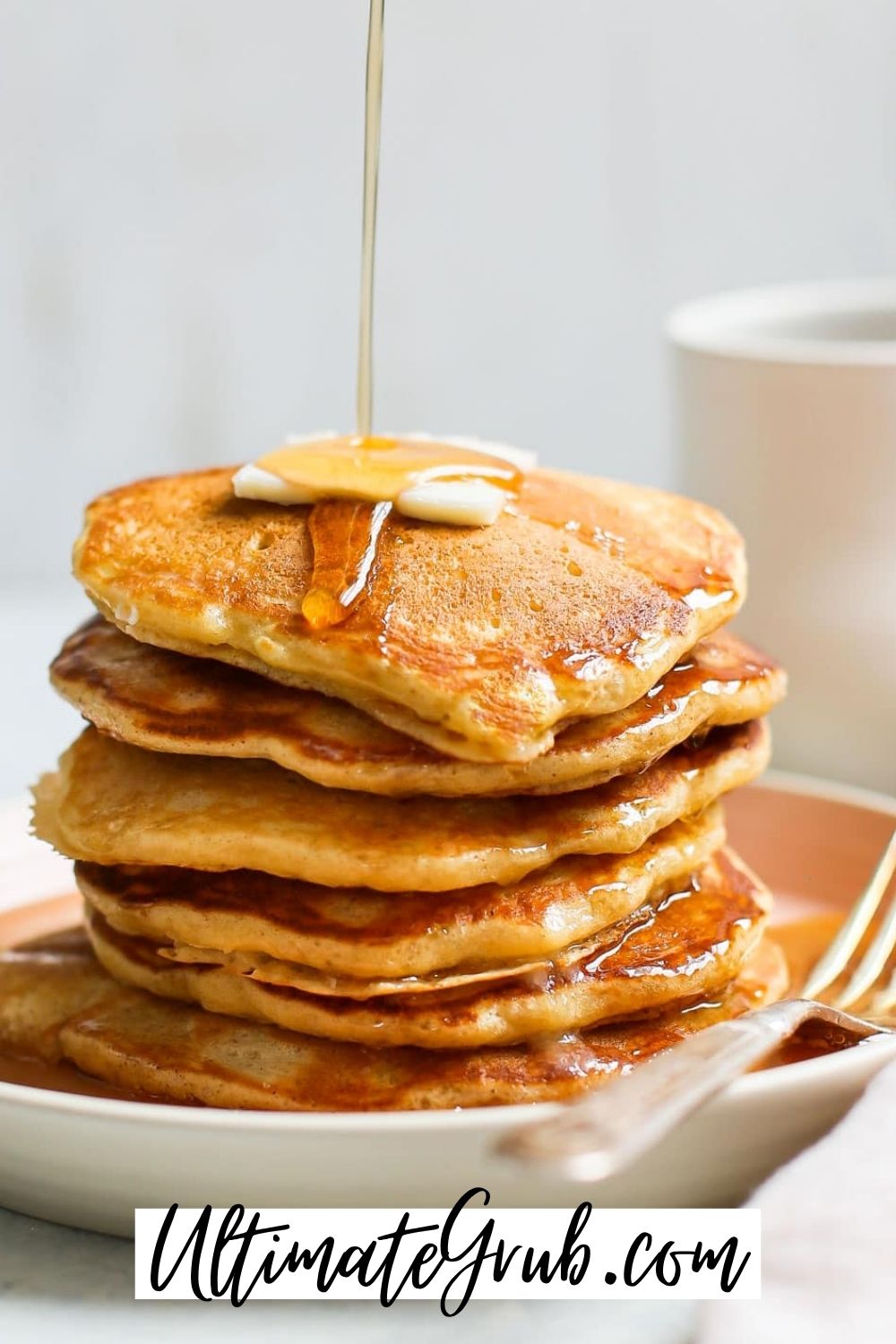
If you’ve got sourdough discard sitting in your fridge, this is exactly what you should be making.
Because this turns something people usually throw away into soft, fluffy pancakes with real flavor.
We’re not talking about basic pancakes here.
These have that slight tang from the sourdough, balanced with a little sweetness, and a texture that’s light but still satisfying.
And here’s the best part…
They’re just as easy as regular pancakes.
No waiting. No fermentation. No extra steps.
You mix everything, cook them up, and you’re done.
It’s one of the easiest ways to use your discard—and once you try it, you’ll probably start saving discard just to make these.
Simple, quick, and way better than they should be.
Why You’ll Love These Sourdough Discard Pancakes
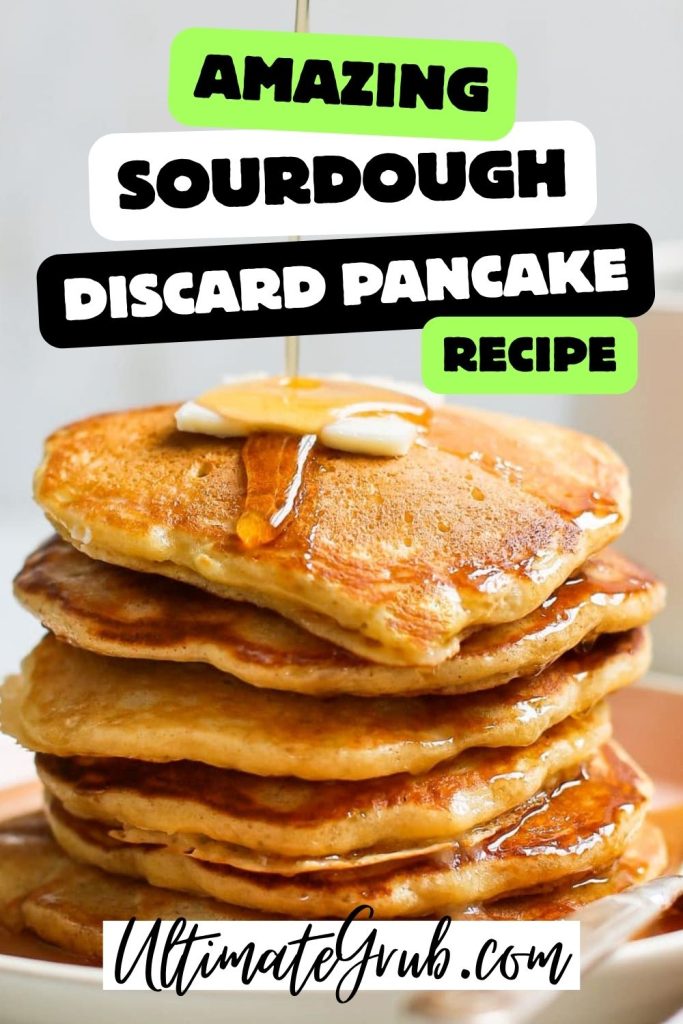
These work because they take something you’d normally throw away—and turn it into something you’ll actually crave.
First, the flavor.
That sourdough discard brings a light tang that regular pancakes just don’t have. It’s not overpowering—it just adds depth so they don’t taste flat or overly sweet.
Now the texture.
You still get soft, fluffy pancakes, but with a little more structure. They’re tender, not dense, and they hold up well whether you’re stacking them high or loading them with toppings.
Then there’s the simplicity.
You’re not waiting for anything to rise. You’re not doing extra steps. This is a mix-and-cook recipe—fast, easy, and perfect for mornings when you want something good without a lot of effort.
And here’s the real win…
It uses discard.
Instead of wasting it, you’re turning it into something that feels like a real treat. It’s practical—but it doesn’t taste practical.
Better flavor, easy process, and a smart way to use what you already have.
What You’ll Need
A sourdough discard (or active starter) ready to use—either works here.
A good nonstick skillet or griddle so the pancakes cook evenly and don’t stick.
And a little butter for the pan to give you those golden edges.
That’s it—simple setup, easy win.
Tools for This Recipe
- Large mixing bowl
- Whisk
- Measuring cups
- Skillet or griddle
- Spatula
Ingredients for Sourdough Discard Pancakes
This is a simple list—but it’s built to give you fluffy pancakes with real flavor.
Ingredients For Sourdough Discard Pancakes:
- 1/4 cup sourdough discard (active starter works too)
- 1 1/2 cups milk (or water)
- 1 3/4 cups unbleached all-purpose flour
- 2 large eggs
- 1/4 cup butter, melted
- 2 tablespoons honey (or maple syrup)
- 1/2 teaspoon salt
- 1 teaspoon baking soda
How to Make Sourdough Discard Pancakes
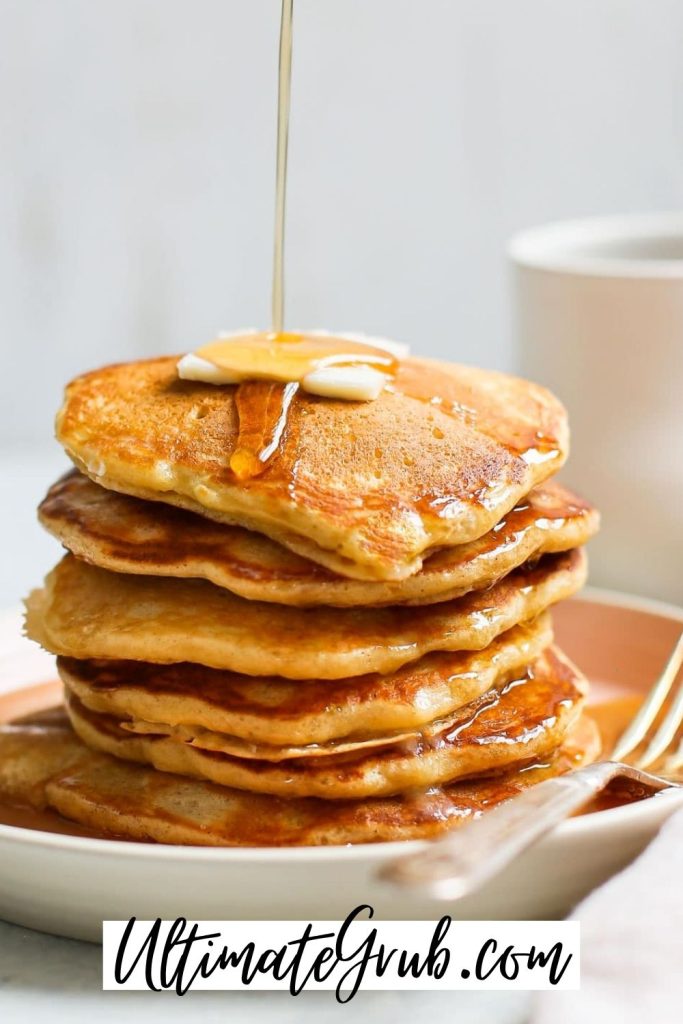
This is a quick recipe—but slowing down just a little and doing each step right is what gives you soft, fluffy pancakes instead of flat or dense ones.
Start by melting your butter.
Place 1/4 cup (half a stick) of butter in a small bowl and melt it in the microwave or on the stovetop. Once melted, set it aside to cool for a few minutes. You want it warm, not hot—if it’s too hot, it can cook the eggs when you mix everything together.
Now move to your dry ingredients.
In a large mixing bowl, add the flour, salt, and baking soda. Whisk them together well so everything is evenly combined. This step matters because it helps distribute the baking soda throughout the batter, which is what gives your pancakes lift.
Next, add your wet ingredients.
Add the sourdough discard, milk, eggs, melted butter, and honey (or maple syrup) directly into the bowl with the dry ingredients. Start whisking everything together slowly.
As you mix, you’ll notice the batter coming together into a thick but pourable consistency.
Now—this is important—don’t overmix.
Once you no longer see dry flour, stop mixing. The batter will likely still have a few small lumps, and that’s exactly what you want. Overmixing develops gluten and can make your pancakes tough instead of tender.
Let the batter rest for a couple minutes while you heat your pan.
This gives the flour time to fully hydrate and helps the pancakes cook more evenly.
Now heat your skillet or griddle over medium heat.
Give it a few minutes to come up to temperature. If the pan is too cool, the pancakes will spread too much and won’t rise properly. If it’s too hot, they’ll burn on the outside before cooking through.
Add a small amount of butter to the pan.
Let it melt and lightly coat the surface. This helps prevent sticking and gives the pancakes a golden, slightly crisp edge.
Now add your batter.
Use a ladle or measuring cup to pour about 1/3 cup of batter onto the skillet for each pancake. Leave some space between them so they have room to spread.
Let them cook undisturbed.
After a few minutes, you’ll start to see bubbles forming across the surface and the edges beginning to look set. This is your signal that they’re ready to flip.
Flip the pancakes carefully with a spatula.
Cook for another 1–2 minutes on the second side until they’re golden brown and cooked through.
Transfer the cooked pancakes to a plate and repeat with the remaining batter.
If needed, add a little more butter to the pan between batches.
Serve them warm with your favorite toppings—maple syrup, butter, fruit, or yogurt.
And that’s it.
Take your time with each step, and you’ll end up with pancakes that are soft, fluffy, and full of flavor.
Substitutions & Variations
Keep this simple—just a couple easy ways to switch things up.
You can use active sourdough starter instead of discard if that’s what you have—it works the same here.
Swap the milk for water or a dairy-free milk if needed.
And if you want extra flavor, add chocolate chips, blueberries, or a sprinkle of cinnamon to the batter.
That’s it—simple changes, same great pancakes.
What to Serve With Sourdough Discard Pancakes
Keep this simple—these pancakes already bring great flavor.
Top them with butter and maple syrup for the classic move.
If you want to level them up, add fresh fruit, yogurt, or a drizzle of honey.
That’s all you need.
Leftovers & Storage
Store any leftover pancakes in an airtight container in the fridge for up to 3–4 days.
To reheat, use a skillet or toaster for the best texture. The microwave works, but they’ll be softer.
You can also freeze them.
Let them cool completely, then store in a freezer-safe bag for up to 2–3 months. Reheat straight from frozen when ready to eat.
FAQs
Can I use active sourdough starter instead of discard?
Yes, you can—and it works great.
Active starter and discard behave very similarly in this recipe because you’re using baking soda for lift, not relying on the starter to rise the pancakes. The main difference is flavor. Active starter will be a little milder, while discard (especially older discard) will have more tang.
Both will give you soft, fluffy pancakes.
Why are my pancakes not fluffy?
This usually comes down to overmixing or heat.
If you mix the batter too much, it develops gluten and makes the pancakes dense instead of light. You want to mix just until everything is combined—even if it’s a little lumpy.
Heat matters too. If the skillet is too hot, the outside cooks too fast and the inside doesn’t rise properly. Medium heat is the sweet spot.
Can I make the batter ahead of time?
It’s better to make it fresh.
The baking soda starts reacting as soon as it’s mixed in, so if the batter sits too long, you can lose that lift. If you need to prep ahead, mix the wet and dry ingredients separately and combine them right before cooking.
Why do my pancakes taste too sour?
This depends on your discard.
Older discard has a stronger tang, which can come through more in the pancakes. If you want a milder flavor, use fresher discard or active starter.
You can also balance it with a little extra honey or maple syrup.
Can I make these dairy-free?
Yes.
You can swap the milk for a plant-based milk and use oil instead of butter. The pancakes will still cook the same—you’ll just lose a little richness from the butter.
Final Thoughts
This is one of the easiest—and best—ways to use sourdough discard.
You’re taking something that would normally be thrown away and turning it into soft, flavorful pancakes that actually feel like a treat.
And once you make them?
You’ll probably start looking forward to having discard—just so you can make these again.
Simple, fast, and worth it every time.