


When it comes to storing fresh bread, I’ve learned the hard way that plastic bags are a no-go. Seriously, they turn my beloved loaf into a moldy sponge faster than I can say “sourdough.” Instead, I wrap it in a clean kitchen towel or slip it into a cotton bag. It keeps the crust nice and crisp while letting it breathe. But wait—how do you find the perfect spot for your bread?
Tips for Storing Fresh Bread Properly
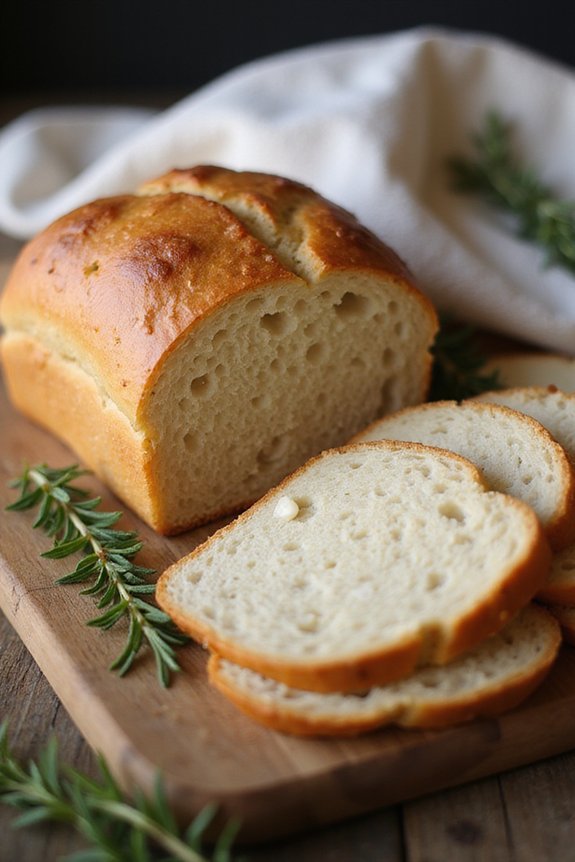
When it comes to storing fresh bread, I’ve learned the hard way that a little care can go a long way in keeping it soft and delicious. I mean, I’ve had my fair share of rock-hard loaves that could double as doorstops. Seriously, how does bread turn into a brick?
Anyway, I’ve picked up some great bread storage methods that’ll save you from that fate.
First things first, let’s talk about how to wrap that precious bread. I used to throw my loaf in a plastic bag and call it a day. Big mistake. While plastic can keep it fresh for a bit, it also traps moisture, leading to mold faster than you can say “carbs.”
Instead, I’ve switched to using a cotton bread bag or wrapping it in a clean kitchen towel. It keeps the crust nice and crispy while letting the bread breathe. Who knew bread needed to breathe, right?
Another game-changer for me was realizing the power of freezing. If you’ve got extra bread that you can’t finish in a few days, just slice it up and toss it in the freezer. I learned this from a friend who swears by it. This method is similar to how premium food processors can help you prepare food quickly and efficiently.
When you’re ready to eat, just pop the slices in the toaster or let them thaw at room temperature. It’s like a time machine for your bread. And believe me, no one should have to suffer through stale bread.
Also, here’s a fun bread preservation tip: don’t store your bread in the fridge. I know, it sounds counterintuitive, but it actually makes bread go stale faster.
So, keep it on the counter, in a cool, dry place, away from direct sunlight.
In short, treat your bread with love, and it’ll reward you with soft, tasty slices. I promise, your future self will thank you. And who knows? You might even impress your friends with your newfound bread wisdom.
FAQs
Can I Freeze Bread After It’s Been Sliced?
Absolutely, you can freeze sliced bread! I do it all the time.
Just grab a freezer-safe bag, pop those slices in, and squeeze out the air like you’re doing some sort of weird bread yoga.
Use parchment paper between slices if you want to avoid the dreaded bread brick.
When you’re ready, toast ’em straight from the freezer. It’s like a mini miracle, and trust me, your future self will thank you.
How Long Does Fresh Bread Typically Stay Soft?
Fresh bread typically stays soft for about three to five days, depending on its ingredients and how it’s stored.
Factors like moisture and temperature play a huge role in its lifespan. If you’re like me, you’ll find that homemade bread can turn into a rock pretty quickly.
To keep that softness, make sure to seal it tightly. And hey, if it does get hard, toast it—nothing beats warm, crunchy bread, right?
Is It Safe to Store Bread in the Refrigerator?
Storing bread in the refrigerator? Not the best idea.
Sure, it might seem safe, but refrigeration effects can actually dry it out faster. I learned that the hard way, biting into a crusty, sad slice.
Instead, keep your bread in a cool, dry place, wrapped in a cloth or bag.
Try freezing it for longer storage—just slice it first. Trust me, your taste buds will thank you for avoiding the fridge trap.
What Types of Bread Store Best at Room Temperature?
Whole grain bread and sourdough store best at room temperature.
I’ve learned this the hard way—trust me, stale bread is a sad sight.
Keep ’em in a paper bag or a breadbox, not plastic, or they’ll get moldy faster than you can say “carbs.”
And here’s a tip: if you’ve got extras, freeze them! Just slice before freezing, so you can toast them straight from the freezer—no need for a thawing drama.
How Can I Revive Stale Bread to Make It Soft Again?
To revive stale bread, I simply sprinkle it with a bit of water and pop it in a preheated oven at 350°F for about 10 minutes.
Voila! Moisture retention happens, and it tastes fresh again.
If I’m feeling fancy, I wrap it in a damp paper towel and microwave it for 10 seconds.
Just don’t overdo it unless I want a bread brick. Trust me, I’ve made that mistake more than once.
Final Thoughts
So, there you have it. Storing your fresh bread doesn’t have to be a science experiment gone wrong. Just remember to ditch the plastic, wrap it up snugly in a towel or a cotton bag, and keep it cozy in a cool spot. If you do this, you’ll be enjoying soft, delicious slices instead of a rock-hard doorstop. And seriously, who wants that? Now go on, savor that bread while it lasts. You’ve got this!

