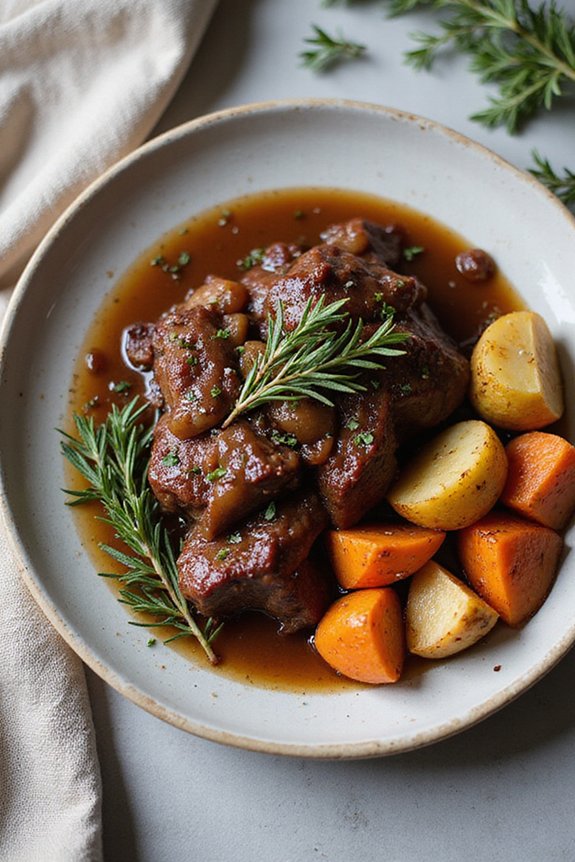
When I first started cooking, I thought boiling and simmering were pretty much the same thing. Spoiler alert: they’re not. Boiling’s that hot, wild beast, bubbling away like it’s got something to prove, while simmering’s the calm, collected cousin, gently coaxing flavors to mingle. Ever wonder why your soups taste bland or your pasta’s a mushy mess? Yeah, me too. Let’s explore how these cooking techniques can make or break your favorite dishes, shall we?
Understanding Simmering and Boiling Techniques
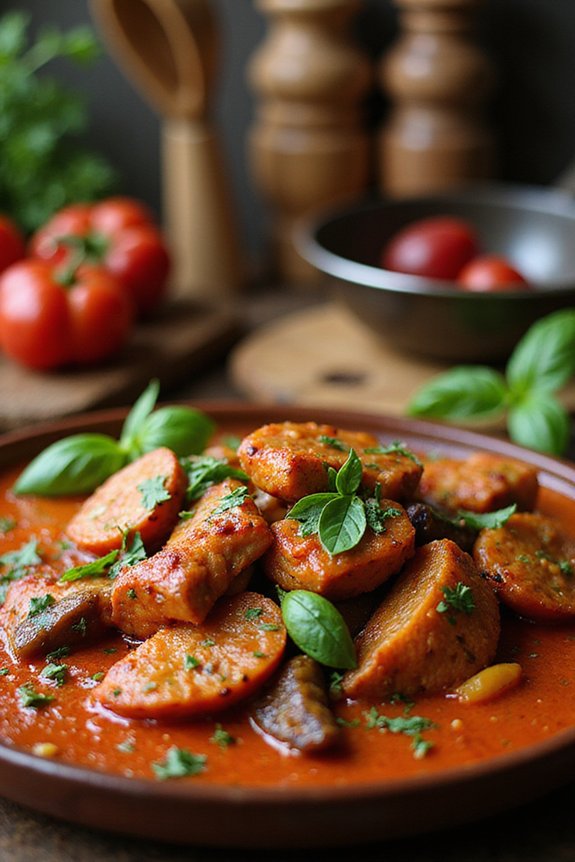
When it comes to cooking, there are two words that often get tossed around like a salad: simmer and boil. Honestly, I used to think they were interchangeable, like wearing socks with sandals—totally wrong but somehow amusing.
But once I dove into the world of cooking techniques, I realized that understanding these two methods is like mastering the art of temperature control. It can make or break your dish.
Let’s get into it. Boiling is that enthusiastic friend who’s always ready to party. It’s when you heat water to a rolling bubble, around 212°F (100°C). You know, the kind of heat that makes pasta dance like it’s at a rave.
If you throw in your veggies or pasta too soon, they might end up mushy, and trust me, no one wants that. I’ve had my fair share of overcooked noodles, and let me tell you, they’re not winning any awards in my kitchen.
Now, simmering is like the calm, wise friend who knows how to take it slow. It’s when you heat your liquid just enough so tiny bubbles gently rise to the surface, usually between 180°F to 205°F (82°C to 96°C). Using a premium enameled dutch oven can help maintain a consistent temperature for simmering.
This technique is perfect for soups and stews, allowing flavors to mingle and develop over time. I once made a chili that simmered for hours, filling my home with a warm aroma. I almost cried when I tasted it. Almost.
FAQs
Can I Use a Lid While Simmering or Boiling?
Absolutely, you can use a lid while simmering or boiling. In fact, I often do!
The lid keeps the moisture in, which is like wrapping your food in a warm blanket. It helps flavors meld and saves energy too—who doesn’t love that?
Just be careful; if you’re boiling, it can bubble over like my last attempt at making pasta. So, keep an eye on it, or you might’ve a kitchen disaster on your hands.
What Cookware Is Best for Simmering and Boiling?
For simmering and boiling, I swear by stainless steel and cast iron.
Stainless steel heats evenly, making it perfect for simmering sauces without burning, while cast iron retains heat like a pro for boiling.
Ever tried boiling pasta in a flimsy pot? It’s a disaster waiting to happen.
Trust me, a heavy-bottomed pot does wonders. Plus, you’ll feel like a chef!
Who knew cookware could make such a difference?
How Do Altitude Changes Affect Simmering and Boiling?
Altitude changes really mess with cooking times. As you climb higher, the air pressure drops, which means water boils at a lower temperature.
I learned this the hard way when my pasta took ages to cook in the mountains—who knew? So, if you’re simmering or boiling, you might need to adjust your times.
It’s like a cooking puzzle, just with more frustration and fewer pieces. Don’t forget, patience is key up there.
Is There a Temperature Difference Between Simmering and Boiling?
Absolutely, there’s a temperature difference between simmering and boiling. Simmering hangs out around 185 to 205 degrees Fahrenheit, while boiling struts its stuff at 212 degrees and above.
When I cook, I often switch between these techniques. Simmering’s like a gentle hug for flavors, while boiling can be more aggressive, making everything jump around.
What Foods Are Best Suited for Simmering Versus Boiling?
When I cook, I find that simmering foods like soups, sauces, and stews works wonders.
It’s all about coaxing flavors, right? Boiling foods, like pasta or potatoes, is a quick, no-nonsense approach. You just toss ‘em in and wait.
But simmering? It’s like a warm hug for your ingredients. Ever tried simmering beans for a creamy texture? Game changer.
Final Thoughts
So, next time you’re in the kitchen, remember this: simmering lets flavors mingle like old friends, while boiling rushes things like a kid late for school. They both have their place, but knowing when to use each can transform your cooking from “meh” to magnificent. Experiment a bit, have fun, and don’t be afraid to make mistakes—I’ve certainly burned my fair share of pasta. Plunge into those pots and pans, and let the magic happen. Happy cooking!